
Cabinet Buying Guide for Ellicott City, MD
List what stays in the room before deciding which cabinets to replace.
Send my cabinet inquiry
Or call (562) 203-3232. Calls only, we do not receive text messages.
Before comparing cabinets for an Ellicott City room, decide what you want the purchase to preserve. You might value the present arrangement, a retained appliance or a useful section of storage even while replacing other pieces. Ellicott Cabinet Archive helps buyers organize those choices into a record that explains the intended change.
- Independent buying guidance
- Product inquiries
- Seller availability confirmed separately
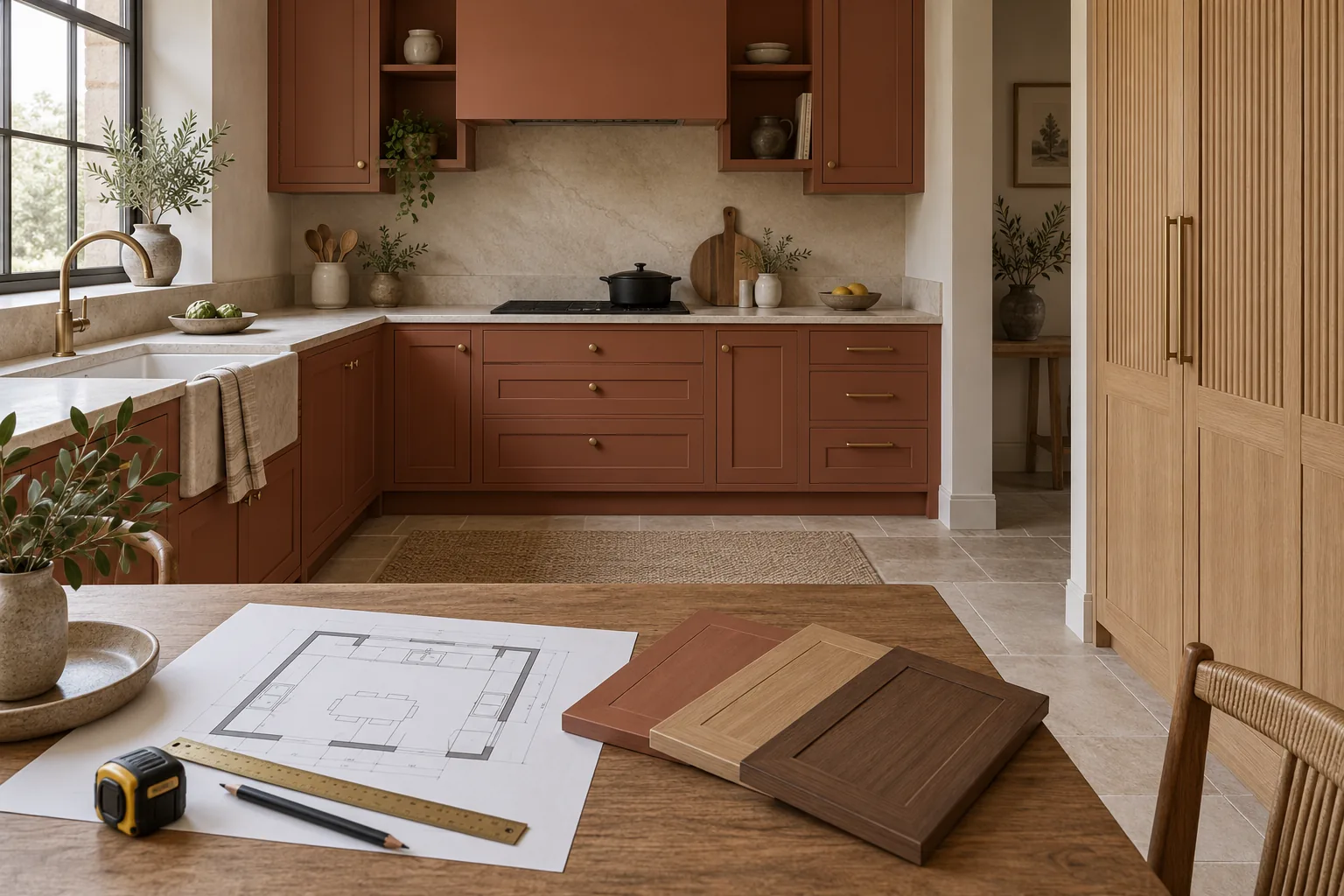
Cabinet product illustrations
Illustrative product visualizations, not completed work, local properties or supplier facilities.
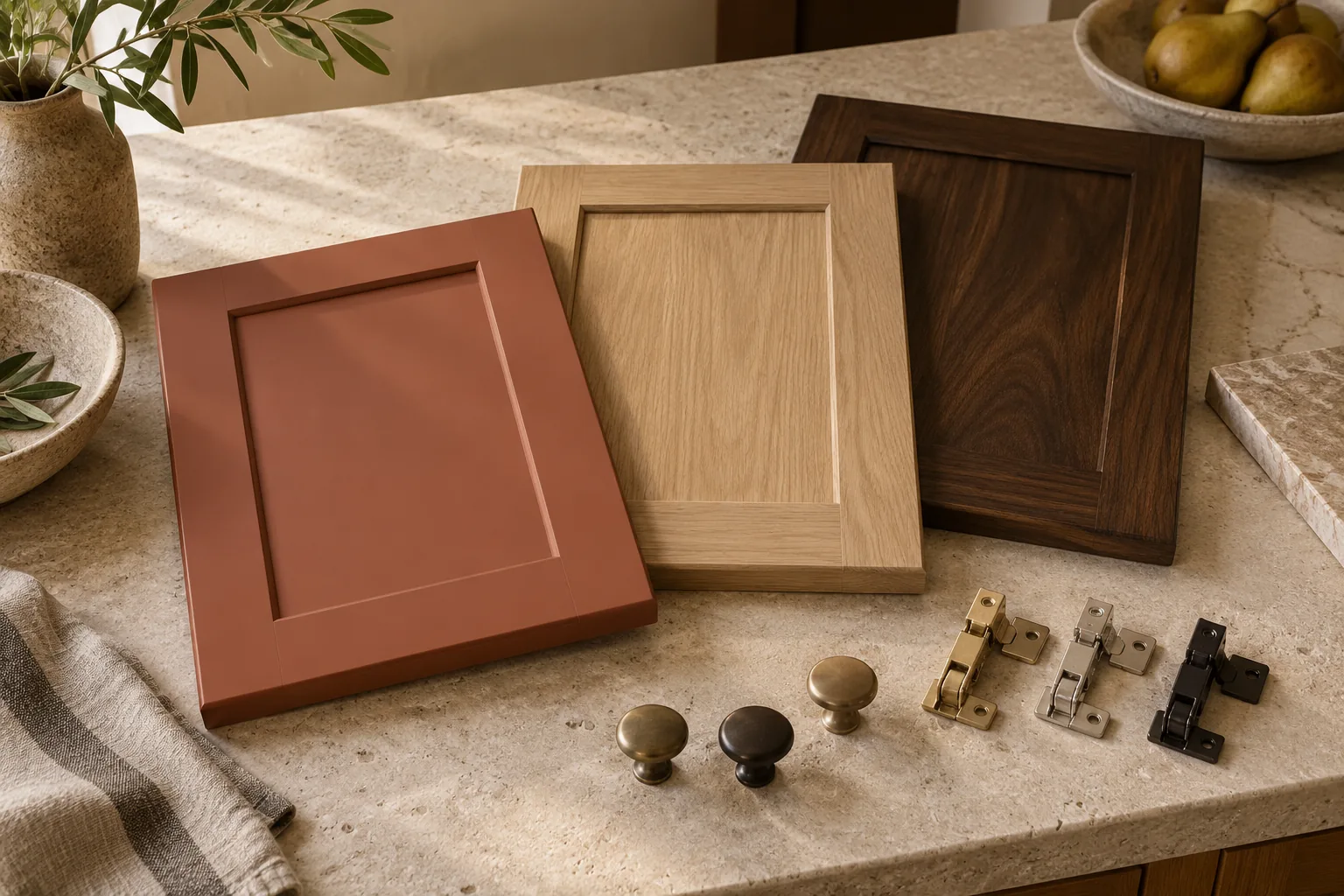

Prepare the purchase before choosing a supplier
The Archive is an independent information resource. Form submissions are recorded for owner review, without automatic seller forwarding or a promised answer. Its guides help you prepare questions for actual product and work providers; they do not establish an accepted order, supplied labor or a ready delivery destination.
About Ellicott Cabinet Archive
Know who handles each part
Independent cabinet buying information and quote-request service. We do not manufacture, stock or install cabinets. A referral, supplier response, appointment or purchase is not guaranteed. Product availability, delivery and installation must be confirmed directly with the seller or separately engaged contractor.
Write a keep list before writing a replacement list
Start with the parts of the room that you intend to retain and the reasons for keeping them. An appliance, a cabinet run or a particular storage function can each impose a different constraint on the proposed purchase. Naming the retained items makes it easier to recognize when an appealing alternative changes something you meant to preserve.
For a hypothetical buyer, the starting idea could be new lower storage while keeping the existing upper units. That is a partial replacement question, not automatically a complete kitchen redesign. Record the retained units, the intended new configurations and the importance of their visual relationship. Do not assume an unidentified new finish will match what is already there.
Then describe the problem the new goods should solve. If the buyer wants easier access to pans, a proposal should explain the offered storage arrangement and its limitations. This first record gives later comparisons a purpose: deciding whether the actual products accomplish the intended change while respecting the priorities on the keep list.
Gather evidence for the boundaries you are preserving
Connect a labeled sketch with photographs of the relevant room features. Show openings, cabinet positions and the equipment you intend to keep. A rough measurement can support an early conversation if it is identified as preliminary, but it should not masquerade as a final instruction for the goods.
The supplied IKEA US planning reference asks for room measurements and retained appliance dimensions. Follow that preparation by finding the actual model information for equipment that stays. Ask the party responsible for the final arrangement what needs to be confirmed and how that confirmation is recorded.
In the partial-replacement example, the new lower schedule should explain its relationship to the retained arrangement. Mark any unresolved fit or matching question rather than concealing it behind the general description new cabinets. If a later option changes a retained item, give that option a separate version so its consequences can be investigated deliberately.
Read local context as a reason to inspect the address
Howard County’s Ellicott City Watershed Master Plan concerns the historic town and Tiber Branch watershed. The supplied research identifies a long-range community planning context. It does not establish the condition of your room, property flood exposure, cabinet approval requirements or a seller’s receiving terms.
A useful purchasing response is to record the current address and ask about the conditions relevant to the proposed work. Investigate the actual receiving point and route, and obtain an answer from the person responsible for a property question. An area-level plan cannot replace that address-based record.
The locality guides pursue different practical checks. Historic Ellicott City examines the route and storage record, West Friendship separates transport from unloading and carrying, and Elkridge connects the project stage to current drawings. Use the relevant context to sharpen your questions without attributing an assumed property type or restriction to every address carrying the same place name.
Ask proposals to explain their departures from your brief
Give the requested goods identifiable positions, configurations and quantities. Include finish preferences, panels, fillers and selected accessories. A seller’s proposed item codes can then be connected to the change you described. Ask for departures from the brief to be named rather than hidden in a package description.
For the partial replacement, one offer may keep the intended scope while another suggests replacing more of the room. Both can be considered, but keep their schedules separate. Ask what benefit the broader option offers and which retained priorities it changes. A different total is difficult to assess without that explanation.
For important construction preferences, request the actual product information. KCMA’s source identifies a performance standard, not certification of every product in a quote. Seek evidence for a specific claim about the offered line. The buying decision should remain tied to identifiable goods and documented features, rather than a general impression of quality from an illustration.
Compare cost as a consequence of the chosen change
List box quantities and configurations, the proposed finish, accessories and accompanying goods. Then identify freight or pickup and any stated assembly or carrying scope. A comparison should show the tasks that change when the replacement scope changes, as well as the product difference.
External installation, removal and other trades need their providers’ own written descriptions. The FTC source supports comparing home improvement estimates by work, materials and price. It does not establish that those tasks are included in the cabinet offer or performed by this site.
Early estimates remain subject to change; the final written quote should set the offered price and inclusions for the accepted version. In the hypothetical room, a broader replacement may affect goods and external tasks together. Compare those actual offered differences rather than treating an unpriced matching problem or labor task as already solved. The budget record should identify what is known and what still awaits a provider’s terms.
Keep a decision record that explains the final choice
Write a short note explaining why you favor the selected option and which questions remain unresolved. Keep it beside the room sketch, product schedule and written offer. A decision based on storage function should be recognizable later, even after several finish or configuration alternatives have been discussed.
Name the purchaser, the person approving measurements and the intended receiver. Ask the seller for the actual receiving and discrepancy process before goods arrive. If a permitted substitution changes the selected products, update the relevant record and make the approval visible to those who depend on it.
A useful initial inquiry can include the keep list, intended change, project address and the next question you need answered. It does not need to pretend the entire order is final. The Archive’s guides are useful when they make that next decision easier to investigate and leave you with an explainable purchase, rather than an untraceable collection of attractive options.
Inquiry process
From buying questions to a possible supplier quote
Sending an inquiry does not reserve products or book work.
Describe the purchase
Include project ZIP, room, approximate cabinet list and preferred timing.
Clarify requirements
Identify assembly, access, measurements and any separately arranged labor.
Confirm referral availability
An inquiry can be referred only if a suitable seller accepts the location and product request.
Review seller terms
Confirm the final drawing, itemized price, payment, delivery and return terms directly before ordering.
Local buying information
Local inquiry guides
Questions
Questions Ellicott City homeowners ask
Why begin with what I want to keep in the room?
Retained features define important constraints and priorities. Listing them helps you recognize when an alternative changes the scope rather than simply changing products. It also gives a reviewer specific questions about compatibility, dimensions and appearance before the replacement list is finalized.
Can I compare partial replacement with a broader cabinet order?
Yes, using separately named schedules. Identify which retained features and external tasks change in the broader option, then ask what benefit it offers. The comparison should explain the scope difference instead of presenting two totals as if they describe identical goods.
What can the watershed plan establish about my project?
It supplies area-level planning context. It cannot determine an individual room condition, flood exposure, approval result or receiving arrangement. Use the actual address and responsible sources to investigate the questions that affect the proposed purchase.
What belongs in an early Archive inquiry?
Describe the intended change, retained priorities, project address and available room record. State which decision you are trying to resolve and label preliminary inputs. The form records that information for review; actual seller products and terms still need separate confirmation.
Send my cabinet inquiry
Or call (562) 203-3232. Calls only, we do not receive text messages.
Talk to us about your project
Describe the purchase and project ZIP in Ellicott City. Supplier acceptance and any referral are confirmed separately; no visit or quote is booked by this form.
Calls only, we do not receive text messages.